
Long before modern lounges, neon menus, and flavoured blends, the shisha ritual began as a quiet social ceremony in parts of Persia, India, and the Ottoman world. To watch a shisha session unfold is to witness a small piece of living history. The gentle bubbling of water, the careful placement of charcoal, and the unhurried passing of the hose are not random habits… They are rituals shaped over centuries. Let us learn about its history and dive into these exquisite rituals in our blog this week.
The Origins of the Ritual
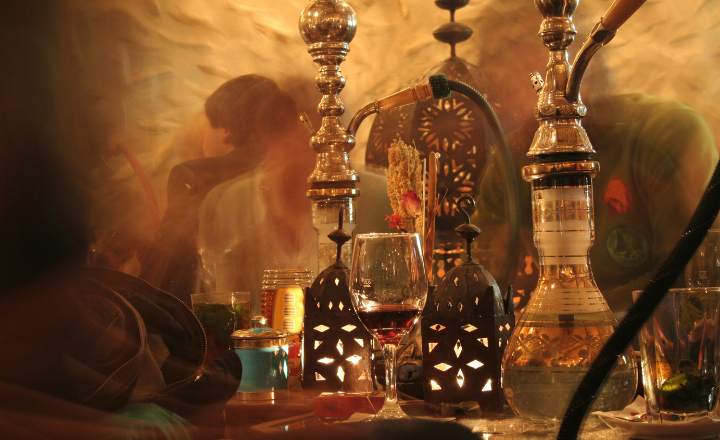
Historically, the waterpipe emerged in royal courts and scholarly circles. The apparatus itself, often crafted from glass, brass, or carved wood, symbolised craftsmanship and prestige. In early societies:
- The person preparing the pipe was usually a servant or host, reflecting hierarchy.
- Seating positions were intentional, revealing rank and social standing.
- Conversation revolved around poetry, trade, or politics, making the session a forum for intellectual exchange.
These customs travelled across continents through migration and trade routes. Over time, the ritual shed some of its aristocratic exclusivity and became a shared social practice among merchants, families, and travellers.
Migration and Cultural Blending
As the practice travelled into Persia during the 17th century, the apparatus became more ornate, reflecting craftsmanship and prestige. And by the 18th century in Turkey, brass stems and elaborate engravings turned the shisha into an artistic centrepiece, not just a smoking tool.
Later, in 19th-century Egypt, the introduction of Mu’assel (sweetened, flavoured tobacco) changed the sensory experience entirely. What began as a reserved, courtly activity gradually became more social and accessible.
By the late 20th century, shisha had found a new home in multicultural cities around the world. In many suburbs that are known for their diversity and artistic expression, the ritual evolved while preserving the symbolic structure.
Letting Rituals Guide The Social Language
Throughout its journey, a shisha was never just smoke drifting into the air. It represented time shared, status displayed, and trust exchanged. It involves:
- Preparation of the bowl by a skilled attendant or host, signalling knowledge and good sense of judgement.
- Offering the first draw as a sign of honour, often extended to elders or guests of importance.
- Passing the hose in a circular motion symbolises unity while subtly indicating a shared preference.
- Choice of flavour, while once limited, is now diverse, reflecting generational tastes and cultural blending.
- Pacing of the session can be slow and deliberate to be associated with leisure and intellectual exchange.
In modern multicultural suburbs, including areas associated with shisha Newtown gatherings, these gestures still carry echoes of their origins. What appears casual is often a quiet story of inclusion, richness, and unique social experience.
Menus, Meaning, and Modern Layers of Responsibility
As shisha culture travelled through trade routes and migration, it absorbed local influences. They are reflected in the lounge menu listing fruit blends, mint variations, or herbal options. The variety reveals how ritual transforms without losing the core traditions.
Along with that, these realities have influenced mindful behaviour in shisha Newtown culture through:
- Use of single-use mouth tips for hygiene.
- Shorter sessions and increased breaks.
- Support towards personal limits.
These show that while the tradition continues, it does so with a growing layer of informed caution.
Symbolism Behind the Rituals
Migrants and travellers introduced regional variations in apparatus design, tobacco preparation, and ritual practice, creating shared traditions that spanned cultures and generations.
Through these interactions, the waterpipe became a medium for cross-cultural exchange.
As we conclude, it is important to realise that in modern settings, these rituals continue to illustrate how traditions adapt and coexist, highlighting social interaction, cultural identity, and continuity.
Lounges as Living Archives
Modern lounges are, in many ways, living museums of these social practices. The apparatus on display, the range of flavours, and the etiquette observed within these spaces preserve fragments of the past.
Much like historic gatherings, these environments encourage patience, respect, and creating moments where traditions unfold.
At Shishabella, the focus is always on impressing you with lip-smacking food and soothing beverages. Discover how our atmosphere offers you an opportunity to connect and create timeless memories.
FAQs
Q. What is the historical origin of shisha?
Shisha originated in 16th-century India and later spread to Persia, Turkey, and Egypt, evolving as a social and ceremonial practice.
Q. What historical materials were used to craft waterpipes?
Waterpipes were made from glass, brass, carved wood, and other decorative materials, often indicating craftsmanship and social status.
Q. What is Mu’assel and why was it significant historically?
Mu’assel, a sweetened, flavoured tobacco developed in 19th-century Egypt, enhanced the sensory experience and encouraged longer, more social sessions.