
Throughout centuries, from Persian courts to modern cafes, shisha has served more than an ornament for culture and leisure… It has acted as a social anchor by bringing people and flavours together in relaxed settings. That is why the fascinating role of shisha places and practices in social customs is intriguing for many.
A Brief History Of Shisha
The origins of the shisha trace back several centuries to South Asia and Persia.
Early versions were designed to cool smoke through water before inhalation, and the device gradually spread across the Ottoman Empire and the Middle East. Over time, it became a common feature in homes, gardens, and dedicated cafes.
The influence was so widespread that its presence today exists far beyond the Middle East region.
- One Tradition, Many Names
Across cultures, the same device carries different names such as shisha, nargile, ghalyan, argila and hubble-bubble. These names evolved as the practice travelled across territories and languages.
It shows that when a custom spreads widely enough, communities naturally reshape it through language, making the ritual feel locally owned while keeping its social core intact.
- It Was Once a Symbol of Prestige
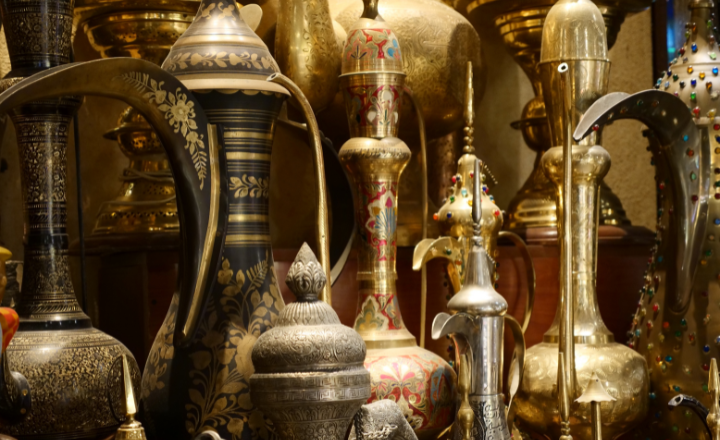
In earlier centuries, hookahs were often luxuriously decorated with glass, metal, and carved wood, especially in elite households. They were displayed in reception areas where guests were entertained.
Not just that, hosting guests with a waterpipe also became a visible sign of social ranks and ceremonial etiquette in these geographies.
- Archaeological Pieces Show Its Cultural Journey
Museums such as the British Museum hold historic hookah bowls and pipe components from different regions, each reflecting local craft traditions.
Seeing these variations reveals that as the rituals moved between cultures, artisans reshaped its appearance. The customs stayed intact, yet every region left its creative imprint on the tradition.
- Early Hookahs Were Made from Coconut Shells
Some of the earliest waterpipes were incredibly simple… All it took was a coconut shell filled with water and a bamboo tube acting as the stem. Over time, this basic design evolved into the elaborate glass and metal pipes seen today, and their re-emergence as fruit heads offering too.
This teaches us how even the simplest inventions and workarounds can evolve into complex cultural rituals even today.
- Hookah Cafes Usually Echoed Local Culture
As the practice spread beyond its origins, hookah cafes or shisha places around the world began reflecting local music, decor, and food traditions while preserving the same core ritual.
Social customs have best survived by conforming to new cultural environments while preserving their true spirit.
- It Appears Frequently in Art and Literature
Historical paintings and travel writings from the Middle East, India, and beyond often depict groups relaxing around a hookah in gardens, courtyards or even cafes.
These artistic records show how the waterpipe became a visual shorthand for leisure and social status, reflecting the cultural importance through some distinguished frames.
Summarising What Shisha Reveals About Human Connections
Looking at the broader picture, the shisha culture highlights a few deeper truths about human behaviour.
People are naturally drawn to social environments that offer:
- Shared rituals
- Relaxed pacing
- Opportunities for conversation
- A sense of belonging
Interestingly, these elements appear in many other customs too, from tea ceremonies to cafe gatherings.
So here’s an interesting parallel for you… What we might see as a normalised affair around us might in fact be a form of communal storytelling in the air!
But You Must Also Be Careful
While the cultural and social effects are clear, public-health research cautions us that waterpipe use carries risks similar to other tobacco products.
Authorities rightly uphold that smoke from waterpipes contains toxicants linked to cancer and heart disease.
These findings matter for how countries regulate shisha places, including through clear warning signage, disclaimers, single-use mouthpieces or tobacco-free mixes.
So, Before We Depart…
Next time you walk past a modern cafe, pause for a moment and observe the atmosphere.
Look at how people sit, talk, and share the moment. You may notice something subtle but powerful… The same pattern of social connect is still alive even today.
After all, at the centre of every tradition lies something timeless… something true… something tethered.
FAQs
Q. Why do historians consider shisha culture important for studying social behaviour?
Because it combines ritual, shared space, and etiquette, the practice offers insights into how people establish bonds, communicate, and maintain traditions from generation to generation.
Q. Why are storytelling/conversations so frequently linked with shisha sessions?
Because these sessions can last a while and people naturally fill the time with stories, memories, and discussions, which bolster social bonds.
Q. What can shisha culture teach us about human social customs?
It demonstrates how shared rituals, central gathering spaces, and modest delights can shape the way people connect, communicate, and build communities over time.
Disclaimer
This blog is intended to provide historical context and cultural awareness purposes only and is not meant to encourage or promote the consumption of shisha or any smoking products. The aim is to provide social context while recognising and respecting established Australian health and safety guidelines. Readers are encouraged to make informed decisions and to refer to official guidance from Australian Government and NSW Health authorities regarding tobacco and waterpipe use, public health regulations, and smoking cessation support.